
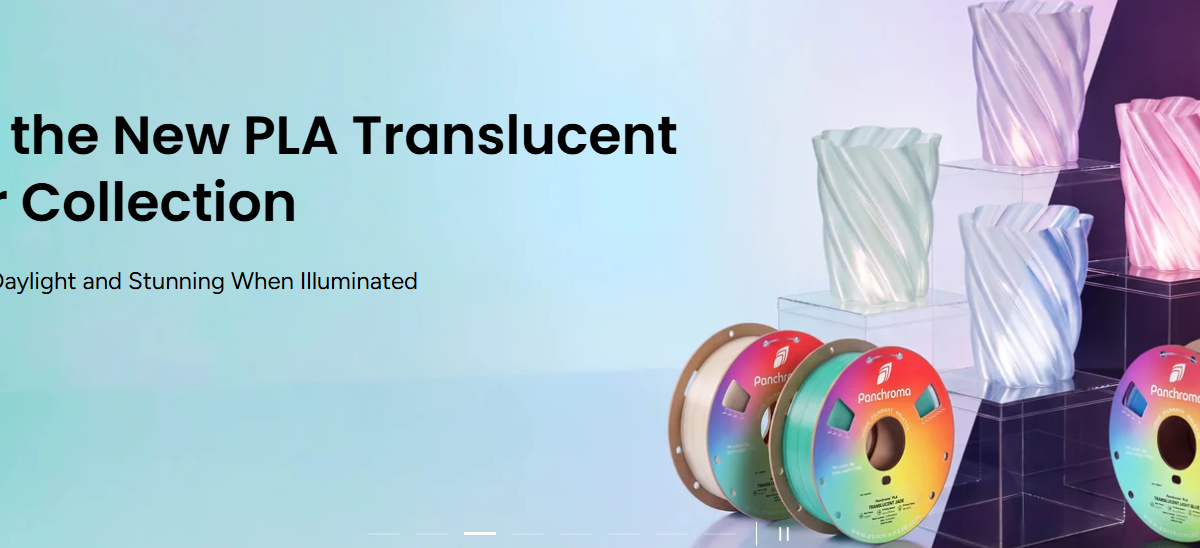
Introduction & The Polymaker Advantage
Introduction: Why Your 3D Prints Deserve Better Filament
Every 3D printing enthusiast knows the absolute heartbreak of waking up to a six-hour print that turned into a tangled, stringy disaster of molten plastic. More often than not, the culprit isn’t your printer settings, your leveling, or even your nozzle—it’s the cheap filament you loaded into the machine.
In the vast and sometimes overwhelming world of additive manufacturing, finding a reliable brand can feel like searching for a needle in a haystack. Enter Polymaker. Renowned for their rigorous quality control, innovative mechanical properties, and consistent diameter tolerances, Polymaker has steadily built a reputation as a gold standard for both hobbyists and professionals in the US market.
In this comprehensive, four-part review, we are taking a deep dive into the Polymaker ecosystem available at the . We’ll examine their flagship materials, weigh the pros and cons, break down the pricing, and help you decide if it’s time to upgrade your spool collection.
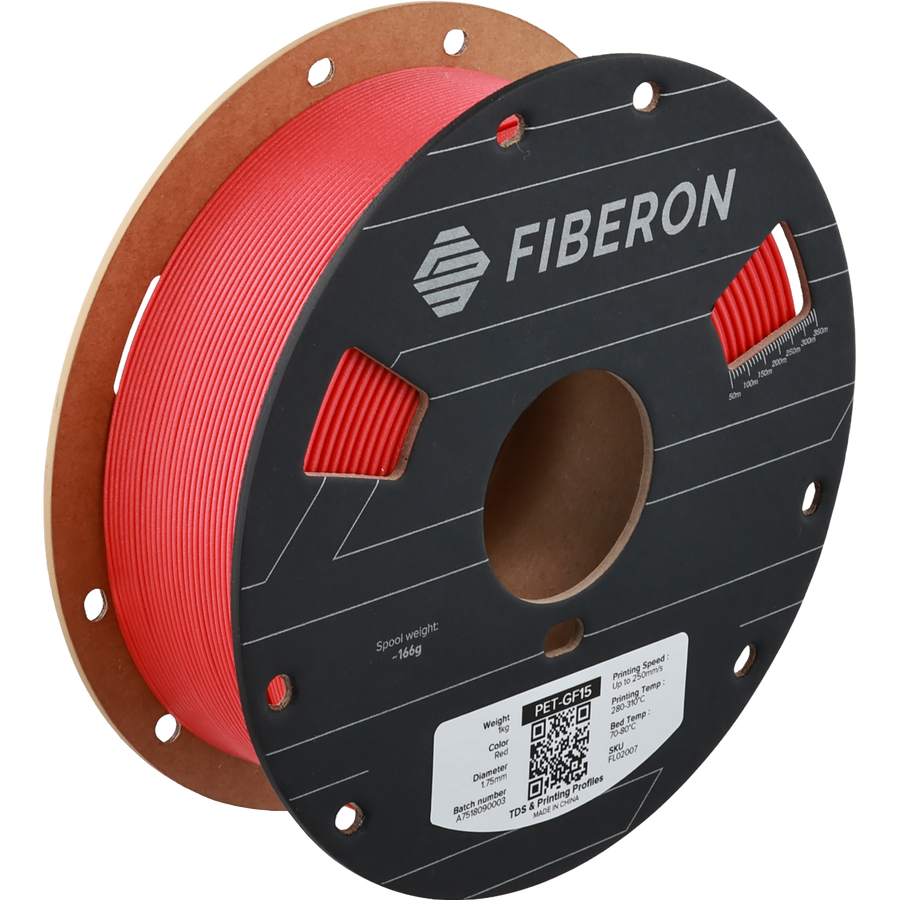
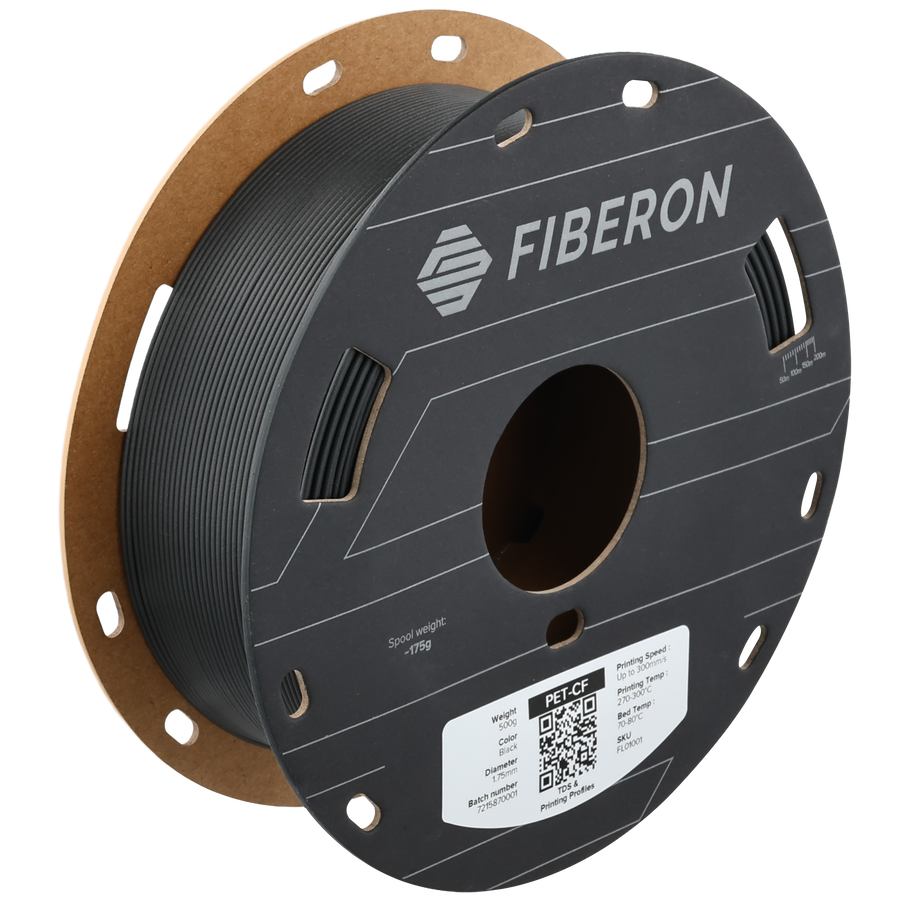
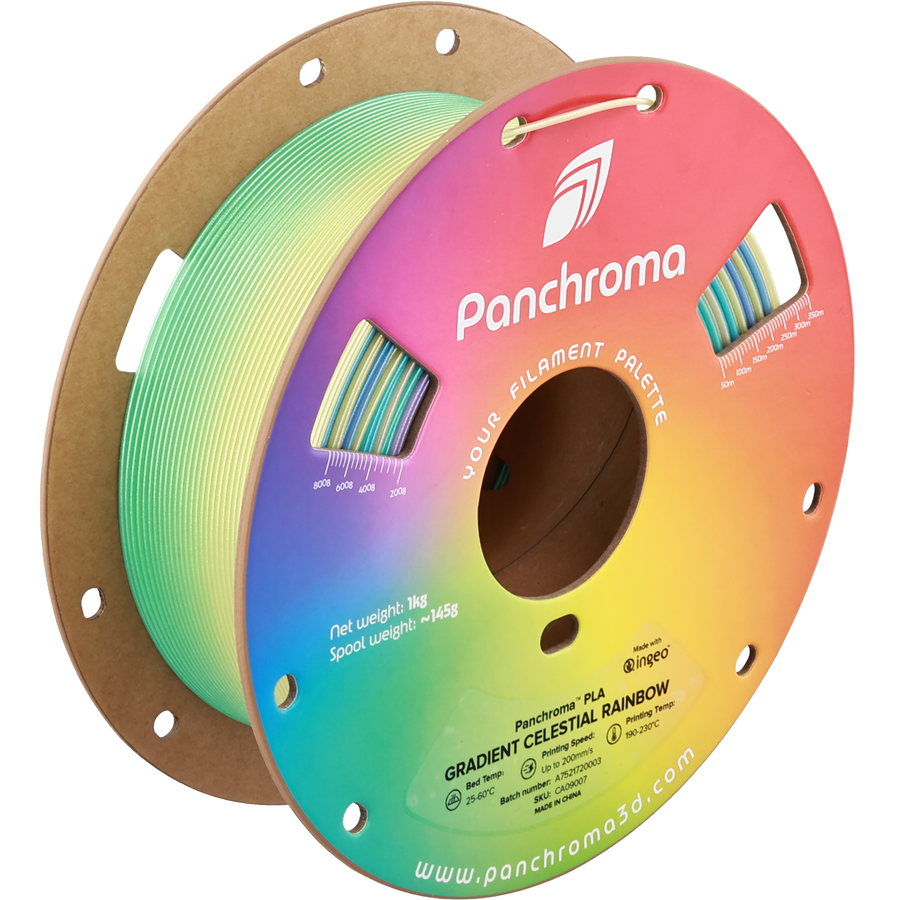
The Polymaker Philosophy: Quality Control You Can Trust
What sets Polymaker apart from the sea of budget spools flooding online marketplaces? The answer comes down to three proprietary technologies:
Jam-Free™ Technology: Reduces softening temperature in the hotend, ensuring ultra-smooth extrusion and eliminating mid-print clogs.
Warp-Free™ Technology: Designed to address the Achilles’ heel of advanced filaments (like ABS and ASA), minimizing residual stress and warping for reliable large-print success.
COXY™ & Carton/PolySpool:An ongoing commitment to eco-friendly packaging, replacing traditional plastic spools with sturdy cardboard alternatives to reduce environmental impact without sacrificing durability.
When you buy from the [Polymaker Store](https://shop.polymaker.com/), you aren’t just buying plastic on a wheel; you’re investing in consistency. Let’s look closer at their lineup across different material tiers.
Ready to upgrade your prints? Don’t let bad filament ruin your next project. Browse the complete lineup of high-performance materials today: [ LINK HERE]
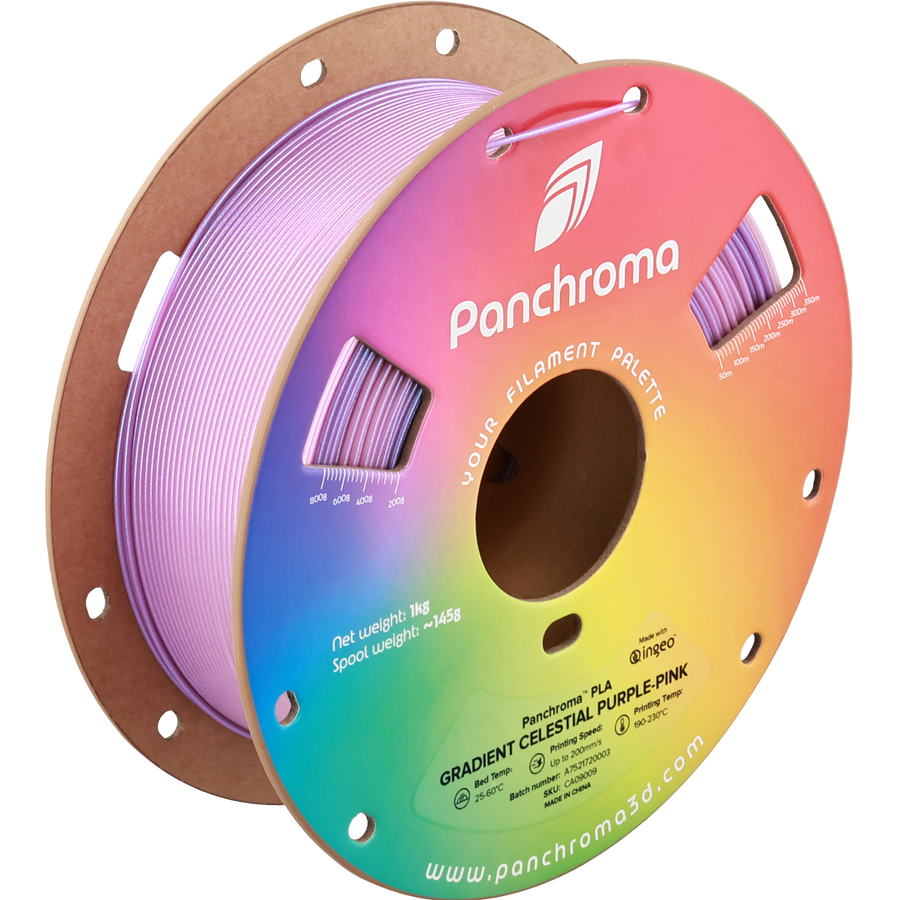
Premium Shine, Gradient Silk PLA: Panchroma™ Gradient Silk

Key Features & Material Breakdown
Flagship Materials: PolyLite vs. PolyMax
Polymaker structures its product catalog logically, making it easy for users to find the exact mechanical properties they need. Here are the standout lines you need to know about:
1. PolyLite™: The Everyday Workhorse
PolyLite is Polymaker’s flagship line of everyday 3D printing filaments. Engineered to offer the best balance of affordability and reliability, it includes materials like PLA, PETG, ABS, ASA, and PolyWood.
PolyLite PLA: Known for its vibrant colors, excellent layer adhesion, and ease of printing. It is the go-to choice for cosplay, prototypes, and decorative items.
PolyLite PETG: Offers higher impact resistance and thermal stability than PLA, making it a favorite for functional parts that need to withstand mild outdoor elements.
2. PolyMax™: Engineered for Maximum Strength
If your prints need to endure heavy loads, drops, or industrial applications, the PolyMax series is where the magic happens.
PolyMax PLA:Delivers mechanical properties up to 9 times better than standard PLA and 20% better than ABS. It provides incredible toughness without requiring an enclosed 3D printer.
PolyMax PETG:Combines the ease of printing standard PETG with engineering-grade impact resistance, rivaling traditional ABS in durability.
 3. Specialty Filaments (PolyFlex, PolyCast, and More)
For advanced users pushing the boundaries of what desktop 3D printers can do, Polymaker offers specialized niches:
PolyFlex: A family of thermoplastic elastomers (TPE and TPU) designed for flexible phone cases, gaskets, and wearable tech.
PolyDissolve: Support materials designed to dissolve cleanly in water or alcohol, making complex geometric overhangs a breeze.
Want to test out these industry-leading materials for yourself?Check out the latest bundles and restocks directly on the official site: [CLICK LINK HERE]
Pros, Cons, and Real-World Performance
The Advantages: Why US Makers Choose Polymaker
After extensive testing on various direct-drive and Bowden-setup machines, several distinct advantages emerged:
Exceptional Dimensional Accuracy:Throughout multiple spools of PolyLite PLA and PolyMax PETG, the diameter variation remained consistently within a tight $\pm 0.03\text{mm}$ window. This prevents under-extrusion and jamming.
Superior Wound Spools: Tangled filament is a printer’s worst enemy. Polymaker’s mechanical spooling ensures that the filament lays flat and parallel, preventing crossing and binding mid-print.
Eco-Conscious Packaging:The shift toward sturdy cardboard spools means less plastic waste heading to landfills, a massive win for eco-conscious creators.
Wide Compatibility: These filaments print beautifully across a massive range of hardware, from budget-friendly Creality machines to high-end Bambu Lab and Prusa printers.
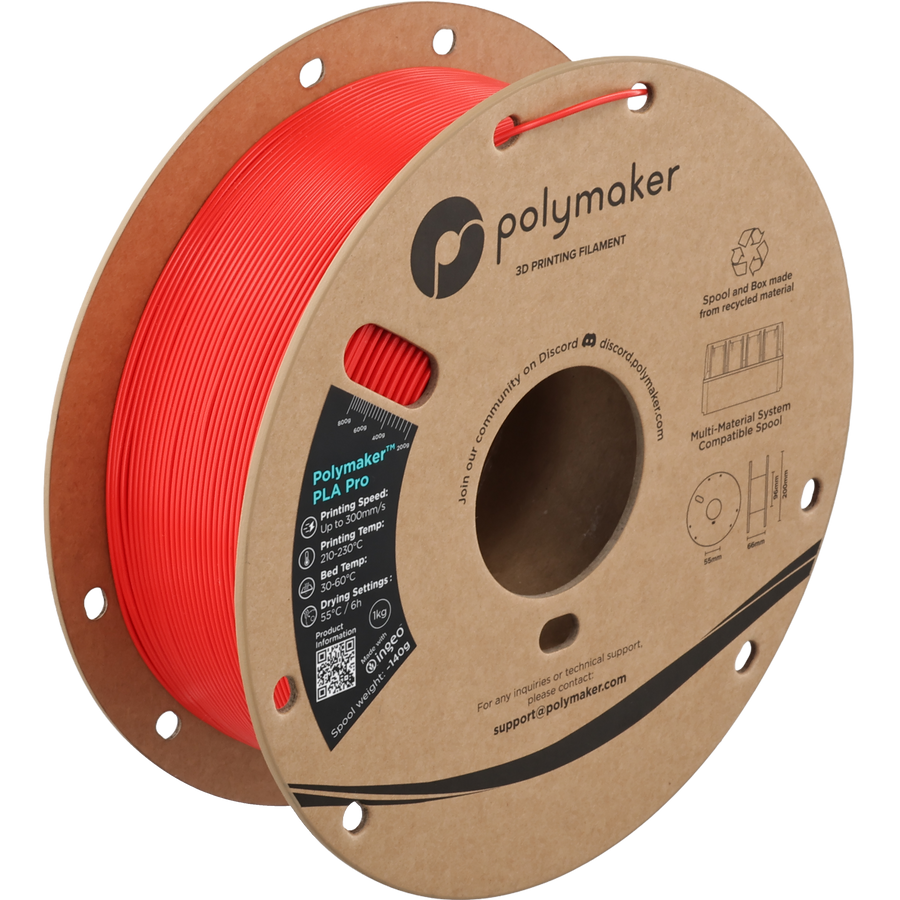
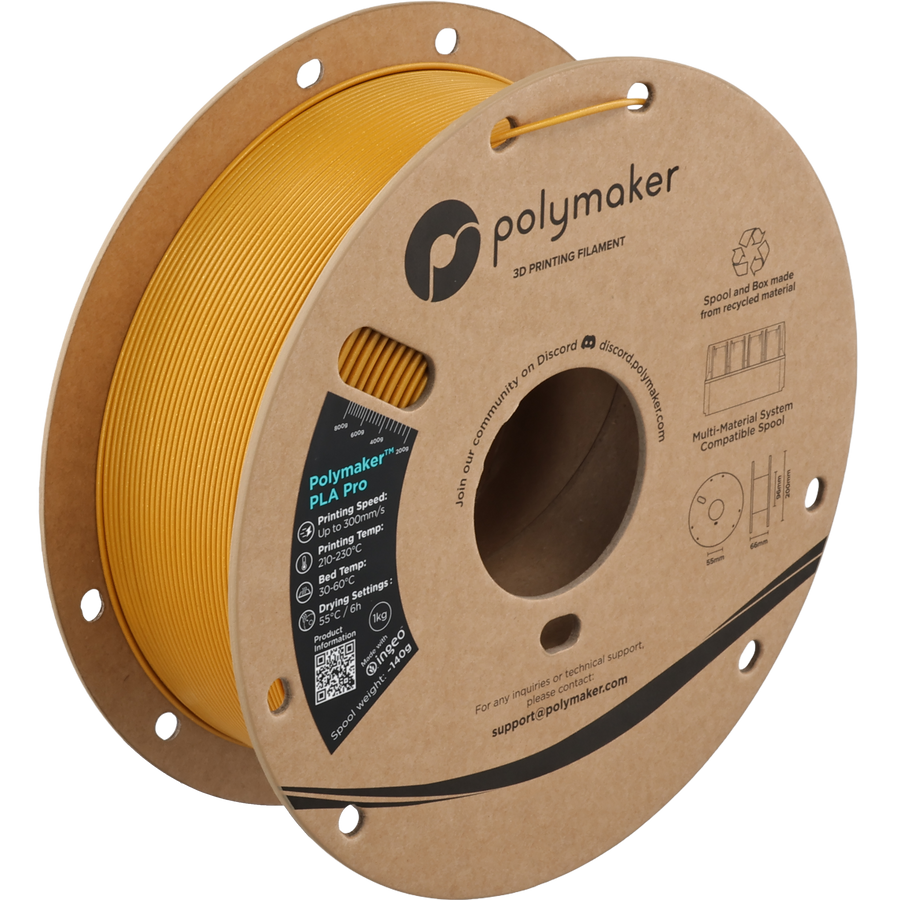
Rigid And Tough, Functional PLA

The Disadvantages: What to Watch Out For
No product is completely flawless. Here are a few minor drawbacks to keep in mind:
Price Point: Polymaker sits slightly higher in price compared to generic “budget” brands found on Amazon. However, the reduction in failed prints typically offsets the marginal price difference.
Moisture Sensitivity.Like most quality filaments, materials like PETG and PLA require proper storage in dry boxes or with desiccants (such as Polymaker’s PolyBox) to prevent bubbling and stringing over time.
Experience the difference precision engineering makes in your workshop.Secure your next batch of reliable filament today: [ LINK HERE]
Static Dissipative, Electronics Grade PETG
Pricing, Availability, and Final Verdict
Pricing and Value for Money
When evaluating 3D printing supplies, value is measured in successful print hours, not just the upfront cost per spool.
PolyLite Series: Generally ranges from $20 to $25 per 1kg spool, depending on the exact material (PLA vs. ASA).
PolyMax Series:Typically priced between $30 and $35 per 1kg spool, reflecting its advanced impact-resistant engineering.
Specialty Filaments (TPU, PC): Range from $35 to $50+ depending on technical complexity.
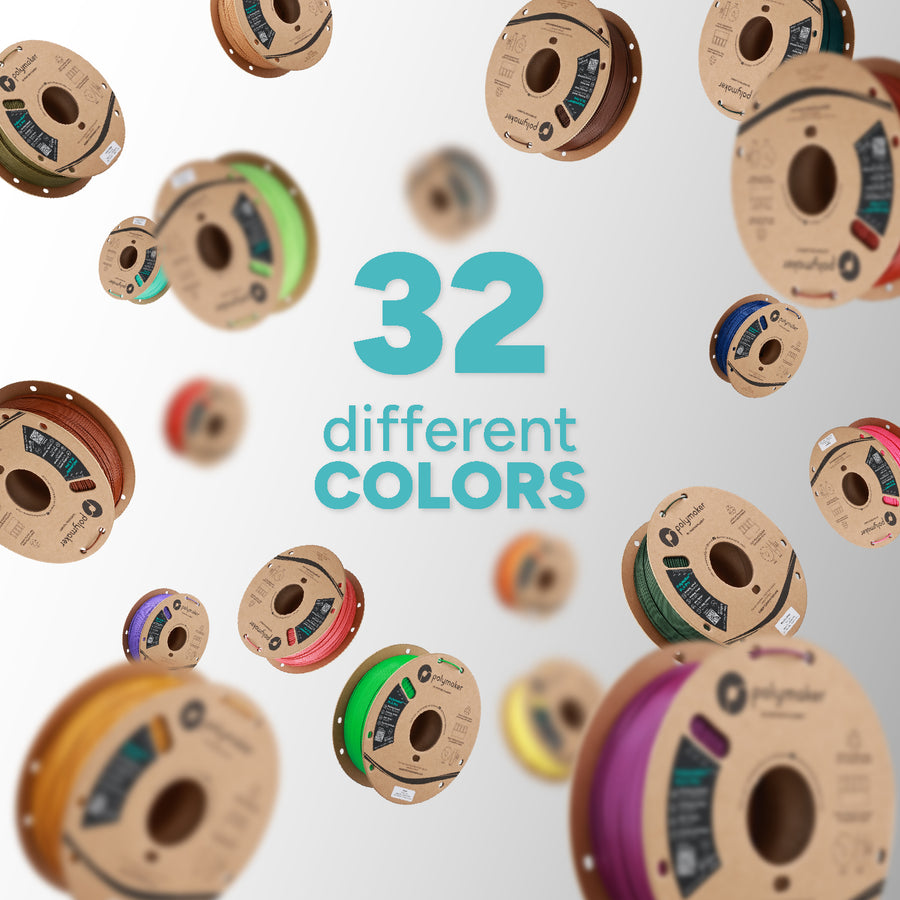
While you can occasionally find cheaper white-label filaments, the hidden costs of failed prints, clogged nozzles, and wasted electricity quickly add up. Investing in Polymaker ensures high yields on every single roll. Plus, ordering directly from the [Polymaker Shop](https://shop.polymaker.com/)often unlocks bundle deals, free shipping thresholds, and access to hard-to-find color variants.
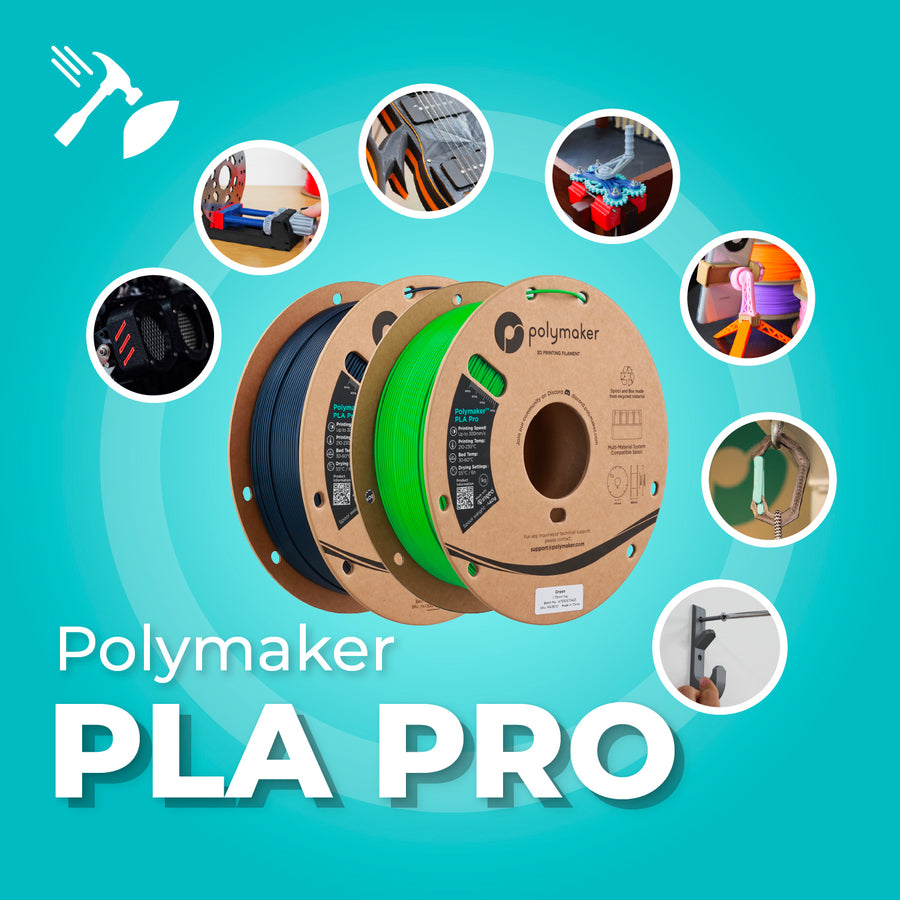
Final Verdict: Is Polymaker Worth It? Whether you are running a print farm churning out commercial products or a weekend hobbyist printing miniature models, **Polymaker** delivers on its promises. Their dedication to strict quality control, innovative mechanical enhancements (like Jam-Free™ and Warp-Free™ tech), and sustainable packaging makes them a standout brand in the modern 3D printing landscape.
If you are tired of fighting stringy prints, inconsistent diameters, and brittle layers, it’s time to upgrade your setup.
Ready to elevate your 3D printing game?Stop letting bad filament hold your creativity back. Head over to the official store to browse colors, check current promotions, and order your spools today: [CLICK LINK HERE]