Planning Your Raised Bed Garden
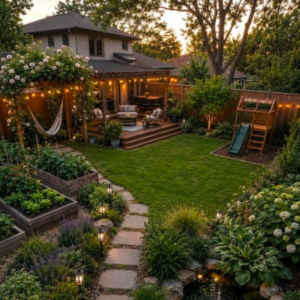
The first step to a successful harvest is strategic placement and solid construction. Most vegetables require full sun, meaning your beds should receive at least six to eight hours of direct sunlight daily. Try to orient your beds from north to south; this prevents taller plants from shading shorter ones as the sun moves across the sky
. When sizing your raised beds, keep them no wider than four feet to ensure you can comfortably reach the center without stepping on the soil Before adding any soil, lay down a thick layer of plain cardboard directly over the grass to naturally smother weeds.
The Ideal Soil Mixture
Filling your raised beds with the right foundation is crucial for root health and water retention. Avoid using standard topsoil from your yard, as it can become too heavy and compacted. Instead, create a nutrient-dense blend that promotes rapid growth.
-
50% Topsoil: High-quality, bagged organic soil.
-
30% Compost: Mushroom compost or aged manure to provide essential nutrients.
-
20% Aeration: Perlite or coarse vermiculite for proper drainage
Selecting the Right Plants
For beginners in the US market, starting with high-yield, forgiving crops builds confidence quickly. Map out your planting strategy using the square-foot gardening method to maximize your available space.
-
Spring/Fall: Leafy greens like spinach, kale, and radishes thrive in cooler temperatures.
-
Summer: Tomatoes, peppers, and bush beans are heat-loving favorites that perform exceptionally well in loose soil.
-
Companion Planting: Plant marigolds near your tomatoes to naturally deter common pests.
Essential Maintenance Tips
Consistent moisture is the secret to a thriving raised bed, as elevated soil dries out much faster than traditional in-ground gardens. While hand-watering is fine initially, installing a programmable drip irrigation kit will save you hours of work each week. Drip systems deliver water directly to the root zone, keeping the foliage dry and preventing common fungal diseases.
Apply a two-to-three-inch layer of organic mulch, such as clean straw or shredded leaves, over the soil surface to regulate temperature and completely suppress weeds. Keep a close eye out for pests; a bottle of organic cold-pressed neem oil spray is usually all you need to handle early infestations. Finally, harvest your vegetables frequently to signal the plants to keep producing right up until the first frost.